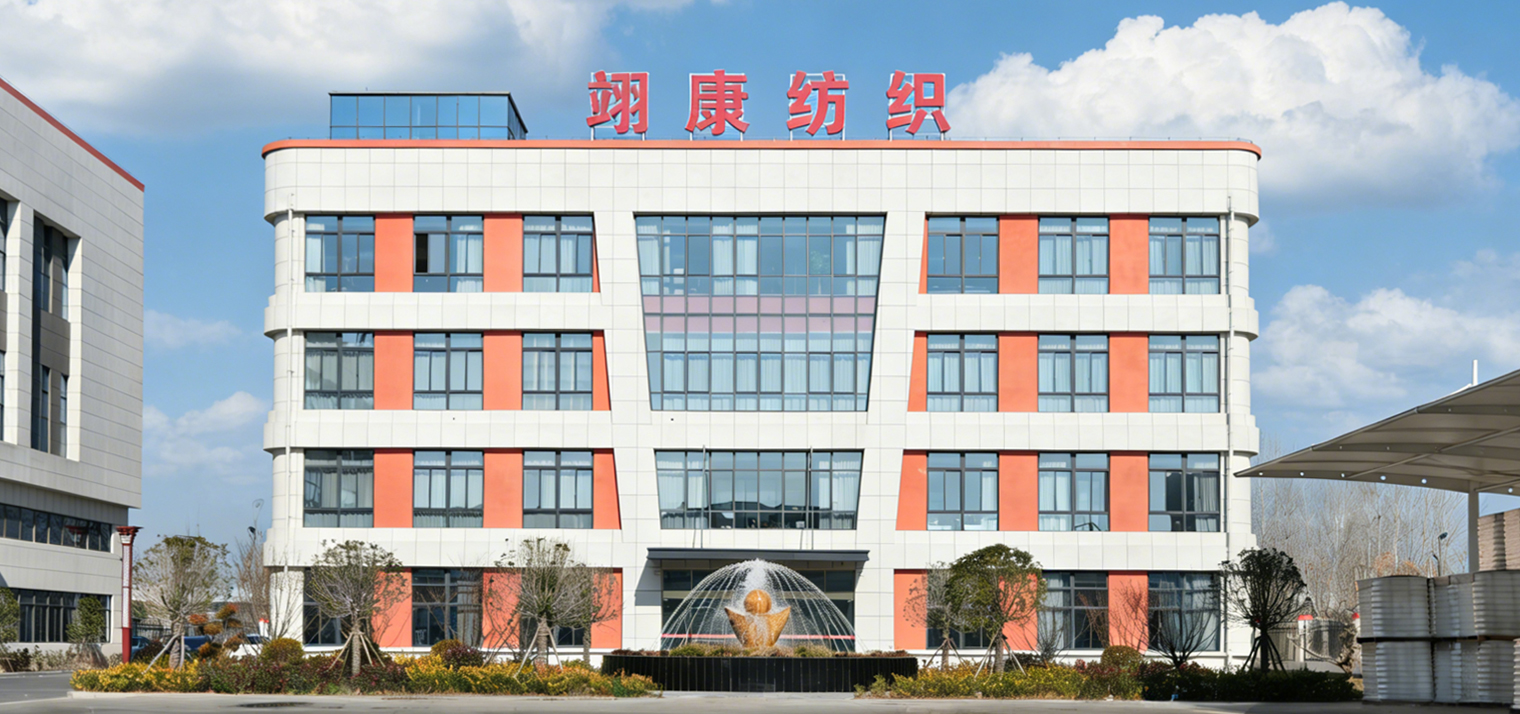
Echoes는 연구개발, 생산, 판매를 통합한 전 카테고리 수출입 원단 회사입니다. 섬유 업계에서 수년간의 깊은 전문성을 바탕으로, 80에이커 규모의 전문 생지 공장과 80에이커 규모의 현대식 면사 공장이라는 두 개의 핵심 생산 기지를 활용하여 원자재에서 완제품까지 전체 산업 사슬을 통제합니다.
Shaoxing Echoes Textile Co., Ltd. 중국 도매 친환경 직물 원단 공장 및 생분해성 원단 제조업체는 정직과 품질 우선 철학에 대한 확고한 헌신을 바탕으로, Echoes는 전 세계 고객과의 장기적인 협력을 육성하며 섬유 공급망 전반에서 신뢰할 수 있는 글로벌 파트너로 자리매김하기 위해 노력합니다.
"데님은 어떤 원단으로 만들어지나요?" 이는 일반적으로 의류 제조업체, 직물 구매자 또는 도매 소싱 대리인이 데님 주문을 하기 전에 묻는 첫 번째 질문입니다. 직접적인 대답은 클래식 데님이 면 능직 직물이라는 것입니다. 그러나 완전한 대답은 인디고 염색, 원사 구조 및 현대적인 섬유 혼방도 포함합니다. 면 종류, 원사 개수, 혼방 비율이 수축률, 내구성, 촉감, 가격에 영향을 미치기 때문에 모든 구매자는 재단할 원단 내부에 무엇이 들어 있는지 정확히 알아야 합니다. 이 가이드는 데님의 섬유 구성, 직조 방법, 구성 선택 ...
마침내 창 처리 스타일을 결정하고 모든 창을 두 번 측정하고 샘플 비교를 시작했습니다. 그렇다면 모든 것을 결정하는 질문이 나타납니다. 실제로 어떤 커튼 천 패브릭을 주문해야 합니까? 대답은 단지 색상이나 패턴에 관한 것이 아닙니다. 드레이프, 빛 투과도, 세탁 방식, 내마모성, 섬유 구성 및 공급업체 일관성은 모두 커튼이 첫날에 우아해 보이는지, 3년 동안 햇빛에 노출되고 반복적으로 청소한 후에도 여전히 올바른 외관을 유지하는지에 영향을 미칩니다. 섬유 무역 회사를 통해 일하는 구매자의 경우 위험은 훨씬 더 ...
모기장 메쉬 패브릭이란 무엇이며 왜 중요한가요? 모기장 메쉬 패브릭은 공기가 자유롭게 통과하면서 곤충에 대한 물리적 장벽을 만드는 개방형 직조 구조로 설계된 특수 직물입니다. 의류나 실내 장식품에 사용되는 표준 직물과 달리 모기장은 보호, 통기성 및 내구성의 균형을 맞추기 위해 정확한 메쉬 기하학과 원사 선택에 의존합니다. 이는 잘 설계된 그물이 공간을 질식시키거나 낡은 느낌을 주지 않으면서 모기를 차단할 수 있다는 것을 의미합니다. 직물 제조업체의 경우 원사 소재, 직조 패턴 및 마감 처리 선택에 ...
Eco friendly textile refers to fabrics manufactured using processes and materials that minimize environmental impact throughout the product lifecycle — from raw material extraction to disposal. Unlike conventional textiles, which rely on virgin petroleum (polyester) or intensive agriculture (cotton), eco fabric prioritizes renewable resources, reduced water consumption, chemical management, and end-of-life biodegradability or recyclability. The global sustainable fabric market reached $45 billion in 2024, growing at 9.5% CAGR, driven by demand for biodegradable fabric and green fabric in apparel and home textiles. This guide explains the key categories, manufacturing processes, and certifications for eco friendly fabric for clothing , helping buyers select a reliable eco friendly fabric supplier .
Shaoxing Echoes Textile Co., Ltd. — Echoes is a full-category import and export fabric company that integrates R&D, production, and sales. With years of deep expertise in the textile industry, the company leverages its two core production bases — an 80-acre specialized greige fabric factory and an 80-acre modern cotton yarn factory — to achieve full industrial chain control from raw materials to finished products. Backed by strong production capabilities, consistent quality assurance, and a mature supply chain system, Echoes focuses on textile import and export operations, offering a wide range of products, including various cotton yarns, greige fabrics, and related textile products, which are exported to numerous regions worldwide. Supported by a professional international trade service team, we precisely align with customer needs, deliver efficient order fulfillment, provide customized solutions, and ensure comprehensive after-sales service. As a leading eco friendly fabric manufacturer and biodegradable fabric manufacturer , Echoes produces sustainable biodegradable fabric , biodegradable polyester fabric , and compostable fabric for global apparel and home textile brands, available through eco friendly fabric wholesale channels.
1. What Is Eco Friendly Textile? Key Categories and Certifications
Eco friendly textile encompasses several categories: (1) recycled materials (rPET, recycled cotton, recycled nylon) diverting waste from landfills; (2) organic natural fibers (organic cotton, hemp, linen) grown without synthetic pesticides; (3) cellulosic fibers (Tencel, lyocell, modal) from sustainably managed wood pulp with closed-loop production; (4) biodegradable synthetics (PLA from corn starch, PHA) designed to compost; and (5) plant-based leather alternatives. Key certifications include: GOTS (organic content), OEKO-TEX (chemical safety), Cradle to Cradle (circularity), and GRS (recycled content). The horizontal bar chart below compares environmental impact across fiber categories.
Figure 1: Environmental impact comparison of eco-friendly textile categories — Biodegradable fabric materials like lyocell (Tencel) and organic cotton have significantly lower water consumption (15-2,500 L/kg vs 7,500-10,000 L/kg for conventional cotton) and carbon footprint (3.5-4.5 vs 5.5-7.8 kg CO₂e/kg). However, the most dramatic difference is in end-of-life: compostable fabric biodegrades in 90-180 days under industrial composting conditions, while conventional polyester persists for over 200 years, shedding microplastics. For sustainable fabrics for clothing manufacturers , this end-of-life advantage is critical for circularity. Eco friendly textile vs organic cotton comparison: organic cotton is a subset of eco-friendly textiles; other categories include recycled polyester, Tencel, hemp, and biodegradable synthetics. When evaluating an eco friendly fabric supplier , ask for third-party certifications: GOTS for organic content, OEKO-TEX Standard 100 for chemical safety, and Cradle to Cradle (C2C) for circularity. For biodegradable fabric for fashion brands , ensure that finishes and dyes are also biodegradable (certified by OK compost or similar). Green fabric certifications (e.g., C2C Gold) require material health assessment, ensuring that all chemical inputs are safe for human and environmental health.
Table 1: Eco friendly textile categories, certifications, and applications
Category
Key Materials
Certification
Primary Application
Recycled Synthetic
rPET, recycled nylon, recycled polypropylene
GRS, RCS
Sportswear, outerwear, bags, footwear
Organic Natural Fiber
Organic cotton, hemp, linen, wool
GOTS, OEKO-TEX Organic
Apparel, bed linens, towels, baby clothing
Cellulosic / Closed-Loop
Lyocell, Tencel, EcoVero
FSC, EU Ecolabel
Dresses, blouses, shirts, activewear
Biodegradable Synthetic
PLA (polylactic acid), PHA
OK compost, ASTM D6400
Compostable packaging, single-use apparel
2. How Is Eco Friendly Textile Made? Closed-Loop and Mechanical Recycling
How is eco friendly textile made? The process varies by material category: (1) Recycled polyester (rPET): PET bottles are sorted, washed, flaked, melted at 260-280°C, filtered, and extruded into filaments — saving 40-60% energy vs virgin polyester. (2) Lyocell/Tencel: Wood pulp (sustainably sourced) is dissolved in NMMO (amine oxide), filtered, extruded through spinnerets, and passed through a water bath to regenerate fibers — with 99.5% solvent recovery in closed-loop systems. (3) Organic cotton: Grown without synthetic pesticides/fertilizers, using rain-fed irrigation where possible, then processed with GOTS-approved chemicals. The column chart below compares resource consumption across manufacturing methods.
Figure 2: Manufacturing resource consumption comparison — Eco friendly fabric production using closed-loop systems (lyocell/Tencel) consumes 0-15 L of water per kg (99% reduction vs conventional cotton) and 15-25 MJ of energy per kg (40-50% reduction vs virgin polyester). For biodegradable polyester fabric (PLA from corn starch), water consumption is 1,500-2,500 L per kg (similar to organic cotton) due to agricultural input for corn cultivation, but the end-of-life advantage (composting vs 200 years persistence) remains significant. The lyocell manufacturing process achieves 99.5% solvent recovery (NMMO is recycled), meaning less than 0.5% of solvent is discharged as waste. For sustainable biodegradable textile supplier evaluation, request data on solvent recovery rates, water discharge quality, and energy source (renewable vs fossil). Eco friendly textile for apparel production using mechanical recycling (rPET) requires no additional water for the recycling step (post-consumer bottles are washed but wastewater is treated). The energy savings of 40-60% for recycled vs virgin polyester are achieved by eliminating the polymerization step (no need to produce PET from crude oil or natural gas).
3. Biodegradable Fabric: End-of-Life Advantage and Composting
Biodegradable fabric is designed to break down into natural components (water, CO₂, biomass) under specific environmental conditions (soil, compost, marine). Unlike conventional polyester (persisting for 200 years), compostable fabric certified to ASTM D6400 achieves 90-95% mass loss within 90-180 days in industrial composting (58°C, high humidity). The radar chart below compares eco friendly textile types across life cycle stages.
Figure 3: Lifecycle performance comparison of eco-friendly textiles — Biodegradable fabric (lyocell/Tencel) scores highest in biodegradability (150), water use (148), chemical safety (145), and renewability (142). Recycled polyester (rPET) offers moderate improvements in carbon footprint (125) and water use (130) compared to conventional polyester (85 and 95), but its end-of-life remains problematic (non-biodegradable). For compostable fabric supplier evaluation, certifications such as OK Compost (industrial) or OK Compost Home (home composting) verify that the entire textile (including dyes and finishes) will biodegrade. For biodegradable fabric for fashion brands , the ideal scenario is industrial composting at end-of-life; however, infrastructure for textile composting is limited in many regions. For sustainable biodegradable fabric , blends with synthetic fibers (e.g., biodegradable polyester/cotton blends) compromise compostability — mono-material biodegradable fabrics are preferred for circularity. When selecting a biodegradable fabric manufacturer , ask for third-party biodegradation test reports (ASTM D6400 or EN 13432) and ensure that dyes and finishing agents are also certified compostable (e.g., bluesign or OEKO-TEX certified).
4. Eco Friendly Fabric for Different Applications: Apparel, Home, and Technical
Eco friendly fabric for clothing spans multiple applications: activewear (recycled polyester, biodegradable nylon), casual wear (organic cotton, Tencel, hemp), workwear (recycled polyester-cotton blends), and luxury apparel (Tencel, EcoVero, linen). Eco friendly fabric for home textiles includes organic cotton sheets, hemp towels, and recycled polyester blankets. The line chart below shows adoption trends for eco-friendly textiles across sectors.
Figure 4: Eco-friendly textile adoption by sector — Activewear leads adoption of eco friendly textile at 35% in 2024 (up from 20% in 2022), projected to reach 55% by 2030, driven by demand for biodegradable polyester fabric for sportswear and recycled materials. Home textiles follow at 25% adoption in 2024, projected to reach 45% by 2030, with organic cotton sheets and hemp towels gaining popularity. For eco friendly textile supplier China sourcing, the fastest-growing categories are recycled polyester (rPET) for activewear and Tencel/lyocell for casual apparel. For sustainable fabrics for clothing manufacturers , the key decision factors are: intended use (performance requirements), end-of-life goals (recyclable vs compostable), and certification requirements (GOTS, OEKO-TEX, GRS). For biodegradable fabric for fashion brands , the premium (15-30% over conventional) is offset by marketing advantages and ESG reporting benefits. For compostable fabric supplier evaluation, ask about industrial composting infrastructure in your target market (if not available, recyclable materials may be preferable).
Water Savings: Eco-friendly textiles use 50-99% less water than conventional (15 L/kg for lyocell vs 10,000 L for conventional cotton)
Carbon Reduction: 30-60% lower carbon footprint (3.5-4.5 kg CO₂e/kg for sustainable options vs 5.5-7.8 for conventional)
Chemical Safety: GOTS and OEKO-TEX certifications restrict over 20,000 hazardous substances
End-of-Life: Biodegradable fabrics break down in 90-180 days (vs 200 years for synthetics)
Q1: What is the most eco friendly fabric for clothing?
The "most" eco friendly fabric depends on application. For low-impact cultivation: organic hemp (requires no irrigation, sequesters carbon). For closed-loop processing: Tencel/lyocell (99.5% solvent recovery). For recycled content: GRS-certified rPET (reduces waste, lower carbon than virgin). For end-of-life: compostable fabrics (PLA, untreated organic cotton). A balanced approach for sustainable fabrics for clothing manufacturers is often a blend of recycled and biodegradable materials.
Q2: Is biodegradable fabric the same as compostable fabric?
Not exactly. Biodegradable fabric breaks down naturally over time, but the timeframe and conditions vary. Compostable fabric is a subset of biodegradable that meets specific standards (ASTM D6400 or EN 13432), requiring 90% degradation within 90-180 days in industrial composting conditions (58°C, high humidity). For compostable fabric supplier claims, always request third-party certification.
Q3: How do I choose a reliable eco friendly fabric supplier?
When evaluating an eco friendly fabric supplier , request: (1) third-party certifications (GOTS, OEKO-TEX, GRS, Cradle to Cradle), (2) test reports for biodegradability (if claimed), (3) environmental impact data (water, energy, CO₂), and (4) chain-of-custody documentation (transaction certificates). A reputable biodegradable fabric manufacturer will provide transparent supply chain information and allow facility audits. For eco friendly textile wholesale , verify that certifications apply to the specific product (not just the company).
Q4: Is eco friendly fabric more expensive than conventional fabric?
Eco friendly fabric typically carries a premium of 10-30% over conventional alternatives, depending on certification (GOTS-certified organic cotton is 20-30% higher; recycled polyester (rPET) is 10-15% higher). The premium reflects lower yields (organic farming), certification costs, and smaller supply chains. However, for sustainable biodegradable fabric and closed-loop materials (Tencel), the premium has decreased to 10-20% as production scales. For volume eco friendly fabric wholesale orders (10,000 meters), premiums can be reduced to 5-15%.
As a leading eco friendly fabric manufacturer and biodegradable fabric manufacturer , Shaoxing Echoes Textile Co., Ltd. offers comprehensive solutions for sustainable biodegradable fabric , biodegradable polyester fabric , and compostable fabric for apparel, home textiles, and sportswear. Whether you require eco friendly fabric for clothing , sustainable fabrics for clothing manufacturers , or eco friendly textile for apparel , Echoes provides certified quality, full traceability, and reliable eco friendly fabric wholesale solutions. Partner with a trusted eco friendly textile supplier committed to environmental responsibility and circularity.